📍7100 SW Hampton St, Suite 121, Tigard, OR 97223 📞 Call for Free Consultation: (503) 512-5359
Evidence-Based Neurological Care

Feel Better. Think Better. Sleep Better. Live Better.

Specialized recovery for concussion, traumatic brain injury (TBI), and whiplash. Restore your brain-body connection with comprehensive, personalized therapies in Tigard and Tualatin.

✓ Free Phone Consultations ✓ Under One Roof Care ✓ Multidisciplinary Team

Request Free Phone Consultation

Speak directly with our clinic to discuss your symptoms and learn how targeted neurological rehabilitation can help.

Request Free Phone Consultation
Meet Our Specialists

Experienced Neurological & Spine Care Team

Our multidisciplinary approach combines decades of clinical experience in functional neurology, chiropractic care, neuro-acupuncture, and traumatic injury rehabilitation to provide personalized treatment under one roof.

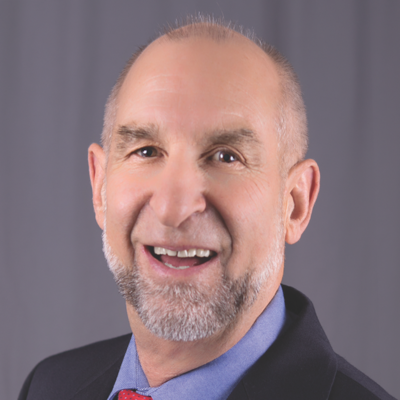
Dr. Lawrence K. Nelson, DC, DACNB
Clinic Founder & Specialist

Dr. Lawrence K. Nelson, DC, DACNB

Board Certified Chiropractic Neurologist

Practicing in the Portland metro area since 1981, Dr. Nelson specializes in the diagnosis and non-surgical rehabilitation of concussions, whiplash, and traumatic brain injuries using functional neurology.

  • Diplomate of the American Chiropractic Neurology Board
  • Western States Chiropractic College Alum
  • 40+ Years Clinical Experience
Read Full Biography →
Dr. Adam Hernandez, DC
Chiropractic Physician

Dr. Adam Hernandez, DC

Spinal Trauma & Rehabilitation Specialist

Dr. Hernandez focuses on acute motor vehicle collision recovery, gentle upper cervical care, and soft-tissue rehab to help patients overcome pain and restriction caused by acceleration-deceleration injuries.

  • Whiplash & Spinal Biomechanics Training
  • Active Release & Soft-Tissue Protocols
  • Individualized Patient Care Plans
Read Full Biography →
Dr. Walter Trapp, DC
Chiropractic Physician

Dr. Walter Trapp, DC

Functional Movement & Posture Specialist

Dr. Trapp combines evidence-based joint mobilization with functional movement screening to restore proper biomechanics, vestibulo-ocular balance, and spine stability post-concussion.

  • Postural & Vestibular Rehabilitation
  • Gentle Cervical & Spine Alignment
  • Patient Education & Home Rehab Coaching
Read Full Biography →
Rocco Manziano, L.Ac., CAA
Licensed Acupuncturist

Rocco Manziano, L.Ac., CAA

Neuro-Acupuncture & Systemic Healing

With over 20 years of clinical experience, Rocco utilizes a gentle "less is more" acupuncture approach to stimulate nervous system recovery, relieve post-trauma headaches, and support physiological self-healing.

  • MS in Traditional Oriental Medicine (MSTOM)
  • Cornell University Pre-Medical Alum
  • 20+ Years Clinical Acupuncture Experience
Read Full Biography →

4 Specialists

Collaborative Medical Team

100%

Customized Care Plans

Multi-Disciplinary

Neurology, Chiropractic & Rehab

Comprehensive Brain & Neck Care

Clinic Services

We combine evidence-based diagnostics and clinical therapeutics to enhance the brain-body connection, alleviate painful symptoms, and accelerate natural healing.

Functional Neurology & Neuro-Rehabilitation

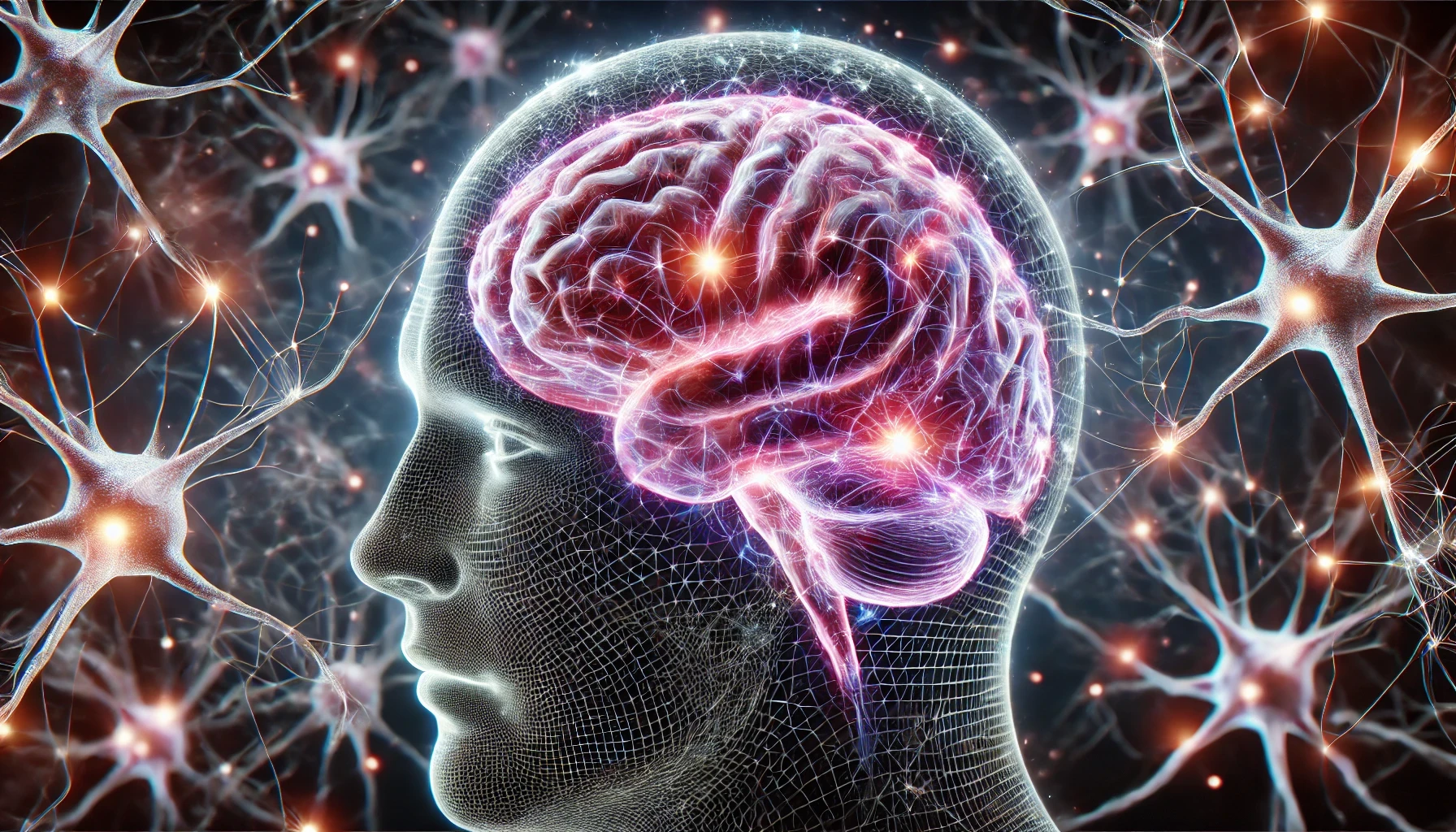
Functional neurology evaluates how different parts of your central nervous system communicate without relying on medication. By measuring eye movements, balance, and sensory processing, we isolate the exact neural pathways disrupted by a concussion or TBI.

How It Helps Recovery:

Stimulates damaged or underactive brain pathways to clear "brain fog," reduce chronic dizziness, restore balance, and improve cognitive focus.

Neurological assessment and consultation

Gentle Cervical Chiropractic Care

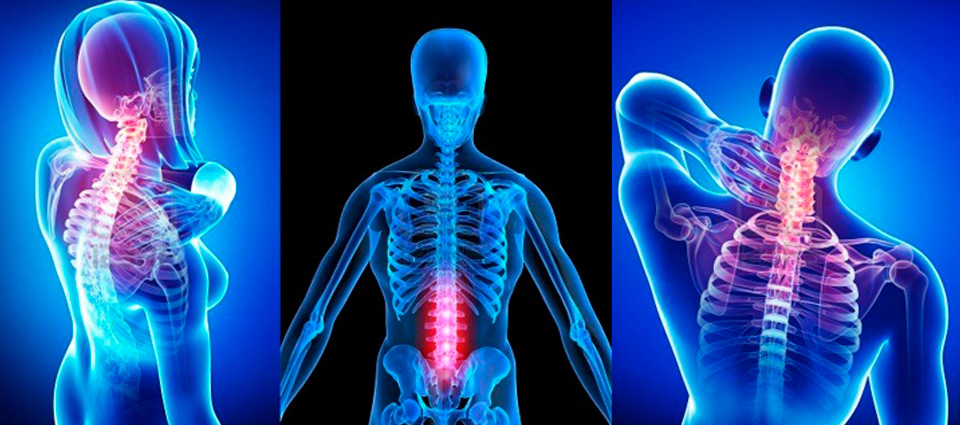
Whiplash and head impacts place immense force on the delicate upper cervical spine. Our clinic utilizes low-impact, highly gentle chiropractic adjustments tailored specifically for acute and chronic trauma recovery.

How It Helps Recovery:

Correcting upper cervical misalignments reduces nerve irritation, eliminates tension headaches, restores normal neck range of motion, and improves spinal alignment.

Gentle cervical spine chiropractic assessment

Targeted Soft-Tissue & Massage Therapy

Following an acceleration-deceleration force, neck and shoulder muscles undergo protective guarding. Our myofascial massage therapy releases deep tightness across the suboccipital and upper back region.

How It Helps Recovery:

Increases localized blood circulation, oxygenates micro-damaged muscle tissue, and calms an overactive sympathetic nervous system.

Therapeutic myofascial neck and shoulder massage

Low-Level Cold Laser Therapy (Photobiomodulation)

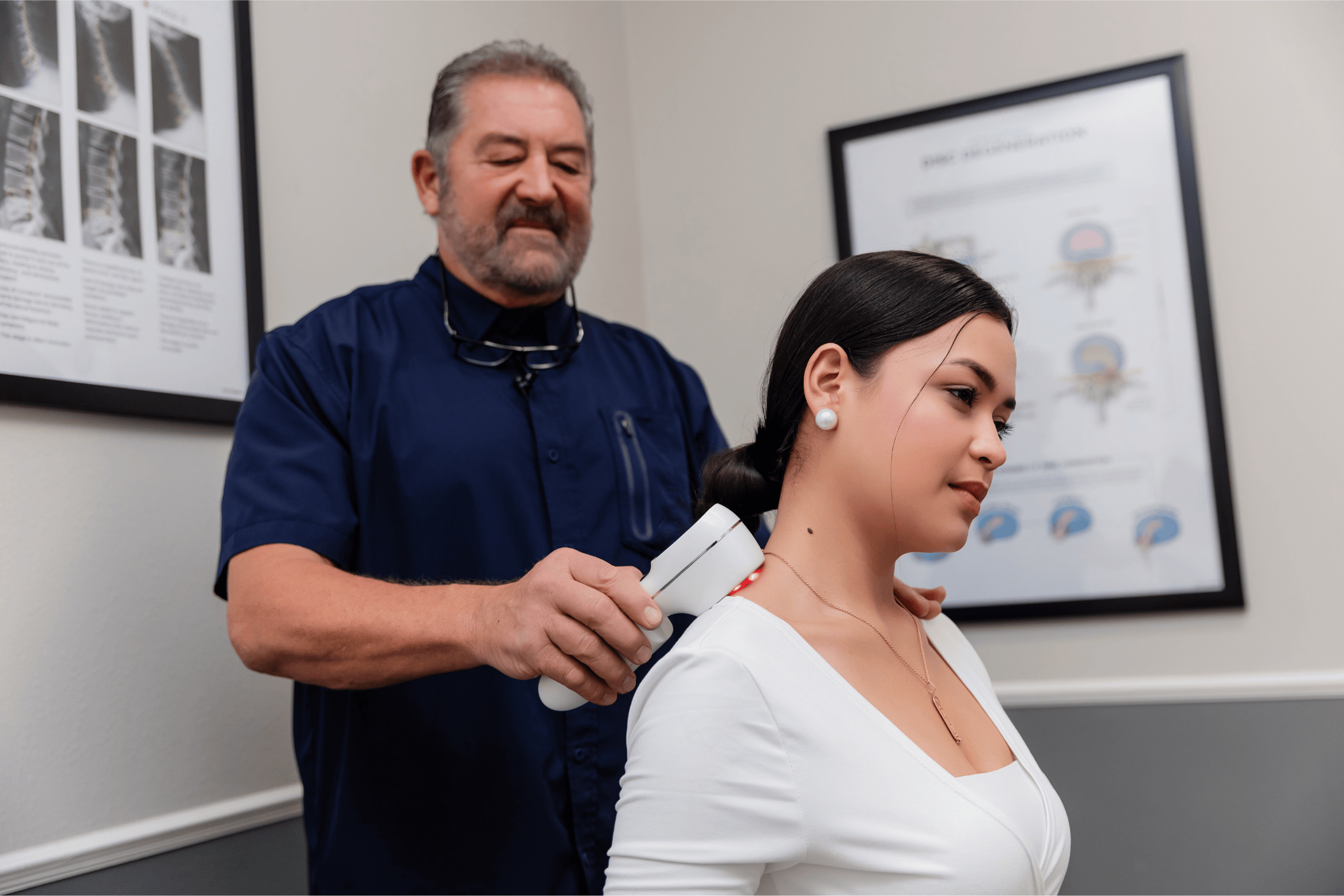
Cold Laser Therapy uses specific, non-thermal wavelengths of light to penetrate deeply into damaged tissues and nerve pathways to boost cellular energy production (ATP).

How It Helps Recovery:

Down-regulates deep tissue inflammation, reduces cellular oxidative stress, and accelerates nerve tissue repair.

Low level light therapy treatment

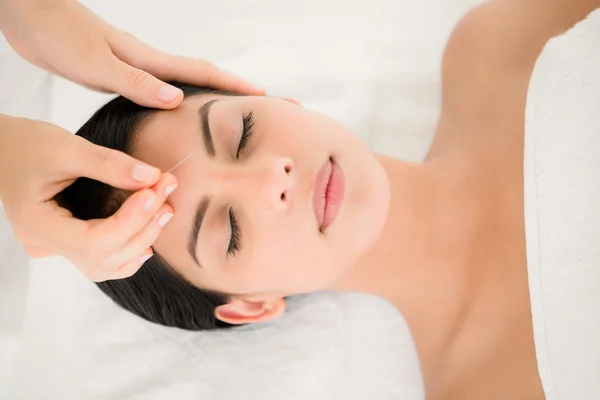
Neuro-Acupuncture & Electro-Acupuncture

Integrates neurological point mapping with physiological stimulation across key neuromuscular points of the head, neck, and upper back.

How It Helps Recovery:

Breaks persistent post-concussive headache cycles, releases natural endorphins, and helps promote deep restful sleep.

Acupuncture therapy treatment

Post-Concussion Lifestyle & Recovery Coaching

Provides structured guidance on neuro-nutrition, anti-inflammatory strategies, gradual exercise pacing, screen time management, and sleep hygiene optimizations.

How It Helps Recovery:

Prevents symptom setbacks (crashing), lowers overall brain inflammation, and empowers you to safely transition back to daily living.

Patient recovery coaching and consultation

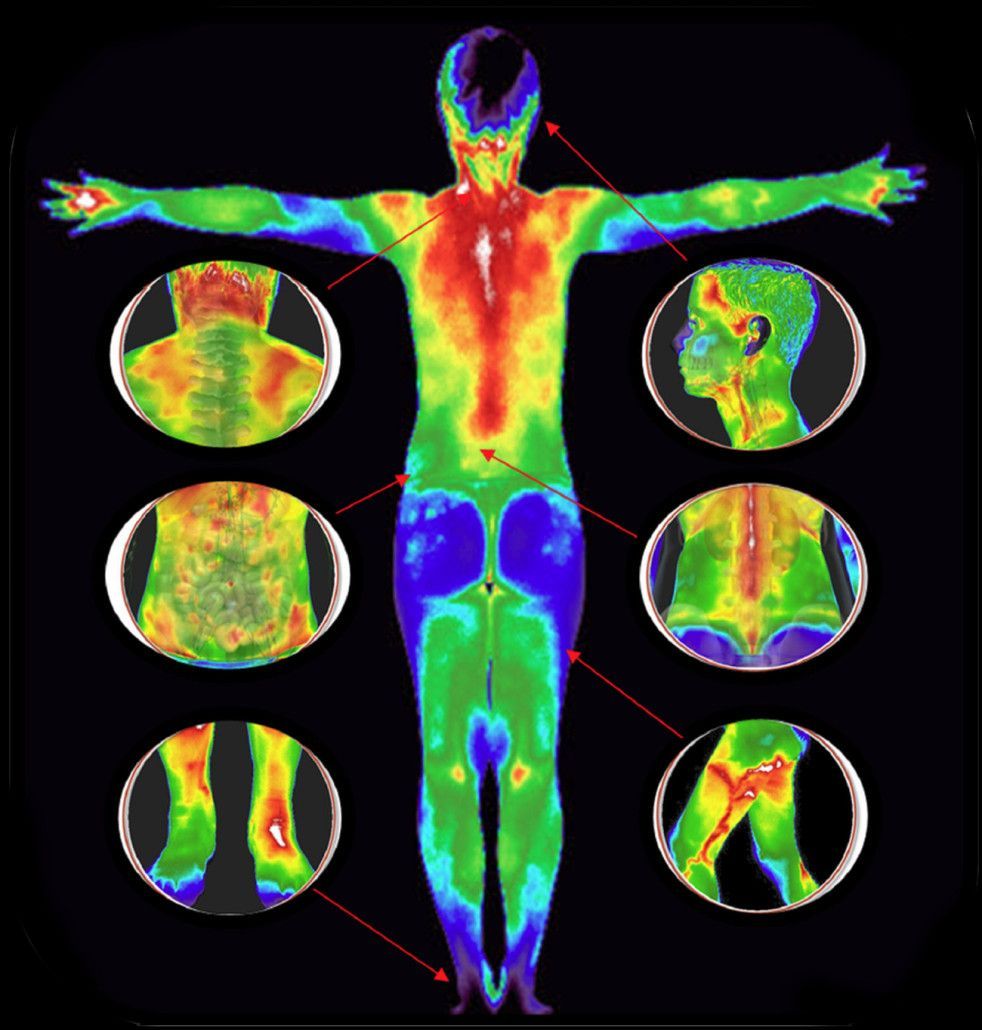
Medical Thermography (Digital Infrared Thermal Imaging)

Medical Thermography utilizes an FDA 510(K)-cleared, high-definition infrared camera (>300,000 pixels) to map body surface temperatures and visualize physiological changes, vascular responses, and inflammatory thermal patterns without radiation, body contact, or pain.

How It Helps Recovery:

Visually pinpoint thermal pain patterns related to neck/back injuries, whiplash, nerve irritation, sinus/headache origins, and systemic inflammation—providing your care team with a precise roadmap for targeted rehabilitation.

Schedule Thermography

Digital Infrared Medical Thermography Scan
Home Rehabilitation Care

Post-Concussion & Whiplash Rehabilitation Program

Cervicothoracic stability and vestibular integration home exercise protocol designed for MVA recovery (mTBI / Cervical Strain).

Morning Routine (Upon Waking)

An immediate post-waking protocol designed to ground spatial orientation, establish autonomic parasympathetic tone, and decompress the spine before weight-bearing activities.

Sensory Re-Orientation
1. Spatial Orientation & Grounding
Timing: First 60 seconds upon awakening.
Figure S1: Morning Grounding Sequence

Before moving, anchor your central nervous system by verbally or mentally stating your current location (e.g., "I am awake, safe in my bed, in my bedroom"). Scan sensory touchpoints—feel the weight of the blanket and the pressure of the mattress beneath your body.

Mechanism: Reduces cortisol-driven waking anxiety by engaging cortical spatial awareness over limbic alarm responses.
Sacroiliac Decompression
2. Pelvic Blocking
Setup: Supine position on a firm mattress or yoga mat.
45°
Figure S2: 45° Sacroiliac Decompression Placement
  • Slide triangular blocks high under the anterior superior iliac spine (ASIS) or low under the trochanters at a precise 45° angle as directed.
  • Rest quietly for 5 to 10 minutes, allowing gravity to gently unravel pelvic torsion.
  • Troubleshooting: If sharp lumbar discomfort occurs, withdraw the blocks immediately and remain flat with knees bent.
Vagal Stimulation
3. Respiration & Vagal Modulation
Cadence: 3s Inhale : 6s Extended Exhale (1:2 Ratio)
Inhale (3s) Exhale / Hum (6s)
Figure S3: Extended Exhale Waveform

Inhale diaphragmatically through the nose, expanding the lower ribcage laterally without elevating the shoulders (3s). Exhale smoothly with an audible, low-pitch hum or pursed lips (6s). Perform 10 to 20 full cycles.

Cerebellar & Proprioceptive Integration
4. Blind Finger-to-Nose Coordination
Figure S4: Bilateral Proprioceptive Target Reaching

Lying flat with eyes closed, abduct arms to 90°. Bring the right index finger in a smooth arc precisely to the apex of the nose tip. Return to the side, then repeat with the left index finger. Complete 5 controlled reps per side to calibrate somatosensory pathways.

Cervical Decompression
5. Passive Cervical Traction
Figure S5: Cervical Lordosis Support

Place a dense foam cervical roll directly under the mid-cervical arch (C3–C5). Allow the head to extend gently backward toward the mattress surface without straining, restoring normal sagittal lordosis for 3 to 5 minutes.

Stance, Integration & Spot Exercises

Targeted micro-interventions and dynamic posturing exercises designed to lock in neuro-motor alignment throughout the day and balance cerebral hemispheric activity.

Visual & Motor Calibration
Posture Up (Biofeedback Alignment)
Trigger: Perform after breathwork and following sitting periods.
Figure S6: Visual & Kinesthetic Posture Check
  • Stand facing a mirror with feet hip-width apart and knees soft (unlocked).
  • Stack external auditory meatus (ears) directly over acromion processes (shoulders) and hips over ankles.
  • Memorize the feel of this posture for 10 seconds visually.
  • Close eyes and maintain position. Gently turn head left/right twice, open eyes, and assess drift against the mirror line. Correct as needed.
Cross-Lateral Patterning
Integration Marching
Duration: 30–60 seconds following therapy/exercises.
Figure S7: Contralateral Marching Rhythm

March in place with exaggerated reciprocal arm swing (opposite arm to opposite leg). Lift knees to hip height while keeping the spine long and gaze forward. This lock-in exercise helps integrate neuro-plastic changes into gait neural pathways.

Oculomotor Saccades
Diagonal Eye-Tracking
Figure S8: Diagonal Visual Pursuit Axis

Fixate head neutral. Extend arm and index finger toward upper wall corner. Track the finger moving slowly across the diagonal field to the opposite floor corner using only your eyes. Rapidly return to top corner. Perform 10 reps per diagonal.

Hemispheric Balancing
Right-Hand Isometric Activation
Figure S9: Left Hemisphere Planning

Squeeze a soft stress ball with the right hand at 50% max effort for 5 seconds, relax for 2 seconds. Repeat for 2 minutes. Stimulating the left cerebral hemisphere can help increase inter-hemispheric inhibition.

Hemispheric Balancing
Left-Hand Isometric Activation
Figure S10: Right Hemisphere Motor Drive

Squeeze a soft stress ball with the left hand at 50% max effort for 5 seconds, relax for 2 seconds. Repeat for 2 minutes. Stimulates the right cerebral hemisphere to help inhibit overactive sympathetic autonomic centers.

Cranial Nerve X Tonification
Vocal Cord Resonation (Humming)
Figure S11: Laryngeal Vibration Frequency

Inhale deeply, then hum a continuous low-pitch tone ("Mmm") during long exhales. Focus on feeling physical vibration in the throat and chest, directly stimulating the vagal branches wrapping around the larynx.

Convergence & Oculomotor Coordination
Brock String Convergence Exercise
Purpose: To improve the ability of your eyes to work together, especially when looking at close objects.
Figure S12: Brock String Bead Alignment

Procedure:

  • Tie one end of the string to a door knob or tape it to the wall, and hold the other end up to your nose at eye level.
  • Place the closest bead where it does not double when focused on; spread remaining beads 12–15” apart.
  • Center bead = “X” pattern; Farthest bead = “V” opening towards you; Closest bead = “V” opening away. (Whichever bead you focus on, the other two split/double).

Exercises:

  • Move your eyes from bead to bead, gradually increasing speed.
  • Look at each bead for 10 seconds, holding clear focus of the bead and string pattern.
  • Move nearest bead closer by 1 inch at a time (goal: ~4” from nose while maintaining clear focus).
  • Using one bead, slowly move it up and down the string while tracking with your eyes.
⚠️ Symptom Exacerbation Rule (The "2-Point Rule")

Before starting, evaluate your baseline symptom score (0–10) for headache, dizziness, nausea, or brain fog. If any exercise increases your symptom score by more than 2 points above baseline, discontinue that exercise immediately. Rest until symptoms revert to baseline before proceeding to the next exercise.

Patient Daily Recovery & Symptom Tracker

Log your baseline symptom score (0–10) before and immediately after completing your exercises. Stop if your post-exercise score increases by >2 points.

Day Pre-Exercise Score (0–10) Exercises Completed Post-Exercise Score (0–10) Notes / Exacerbations
Monday
Tuesday
Wednesday
Thursday
Friday

Red Flag Symptoms (Stop Immediately)

  • Sudden spike in severe headache or sharp neck pain.
  • Numbness, tingling, or weakness radiating into arms/hands.
  • Uncontrollable eye twitching (nystagmus) or double vision.
  • Persistent vomiting, slurred speech, or profound confusion.

Progression & Execution Tips

  • Perform exercises in a quiet, low-stimulus environment initially.
  • Always maintain close proximity to a wall, counter, or sturdy chair.
  • Rest 60–90 seconds between sets to prevent neurological fatigue.
  • Log daily symptom responses in a recovery journal.

Phase 1: Cervicothoracic & Core Stabilization (Exercise Ball)

Focuses on deep neck flexor engagement, spinal posture, dynamic core stabilization, and gentle vestibular habituation.

1. Vestibular-Pelvic Isolation (Swiss Ball Pelvic Progressions)

Pelvic Isolation
Figure 1.1: Isolated Pelvic Kinematics
Stage 1 (Core Base): Seated upright, feet flat. Translate pelvis anteriorly/posteriorly and laterally. Head must remain completely stationary in space (8 reps per direction).
Stage 2 (Cervical Integration - Eyes Open): Maintain stable pelvic base. Slowly perform head pitch (flexion/extension) and yaw (rotation) while keeping eyes locked on a target (3 slow cycles).
Stage 3 (Proprioceptive Challenge - Eyes Closed): Repeat Stage 2 head movements with eyes closed. Open eyes immediately if postural sway exceeds threshold.
Dosage: 8 reps/direction (Stage 1), 3 cycles (Stage 2 & 3)
Focus: Dynamic head-pelvis dissociation

2. Seated Dynamic Axis Bouncing with Neck Control

Vestibular Habituation
Figure 1.2: Neutral Spine Bouncing
  1. Sit upright on the center of the exercise ball with feet flat on the floor, hip-width apart.
  2. Perform a subtle "chin tuck" by drawing your chin back gently (as if making a light double chin) to activate deep cervical flexors.
  3. Initiate a rhythmic, low-amplitude vertical bounce using your ankles and glutes.
  4. Keep your eyes fixed on a steady visual target on the wall directly at eye level.
Dosage: 2–3 sets of 60 seconds
Focus: Head stability & vertical tolerance
Clinical Note: Ensures low-impact vertical stimulation to the inner ear while training posture against gravity after whiplash injury.

3. Seated Ball Pelvic Tilts & Cervical Alignment

Pelvic-Spine Mobility
Figure 1.3: Anterior/Posterior Roll
  1. Maintain an upright seated position on the exercise ball. Place hands gently on your thighs.
  2. Slowly roll the ball forward by tucking your pelvis under (posterior tilt), then gently roll the ball backward by arching your lower back (anterior tilt).
  3. Key Cue: Keep your head completely still and spatial position level; movement should originate entirely from the pelvis and lower spine.
Dosage: 2 sets of 12 repetitions
Focus: Core dissociation from head movement

4. Prone Swiss Ball Walkout with Deep Neck Flexion

Posterior Chain & Core
Figure 1.4: Prone Plank Walkout
  1. Lie abdomen-down on the exercise ball. Place your hands on the floor in front of you.
  2. Slowly walk your hands forward until the ball rests underneath your hips or upper thighs.
  3. Hold a rigid plank position. Perform a deep chin tuck so your gaze stays directly toward the floor (neutral cervical spine). Do not let your head sag down or extend upward.
Dosage: 3–4 holds of 15–20 seconds
Focus: Cervicothoracic extensor endurance

Phase 2: Vestibular & Proprioceptive Integration (Foam Pad)

Advanced vestibular, oculomotor, and somatosensory progression drills designed to challenge spatial orientation and re-calibrate postural control systems safely.

1. Compliance Pad Balance Drills

Somatosensory Disruption
Figure 2.1: Corner Safety Setup for Sensory Retraining
  1. Position a high-density foam pad in a wall corner. Stand centered on the pad facing outward (walls provide a fail-safe catch without touching).
  2. Visual Dependence (Eyes Open): Balance in narrow stance. Perform slow head rotations left to right, counting aloud from 1 to 6 to integrate motor speech.
  3. Vestibular Reliance (Eyes Closed): Close eyes to eliminate visual input, forcing the vestibular apparatus to take over primary balance mapping. Maintain steady breathing.
Dosage: 3 holds of 20–30 sec
Focus: Ankle stability & visual fixation

2. Foam Pad Weight Shifts with Yaw Head Rotations

VOR Integration
Figure 2.2: Dynamic Head Rotation
  1. Stand on the foam pad with feet hip-width apart.
  2. Slowly shift 70% of your body weight onto your left leg while smoothly turning your head 45 degrees to the right.
  3. Pause for 1 second, then shift weight onto your right leg while turning your head 45 degrees to the left.
  4. Keep movements fluid and controlled. Stop if lightheadedness occurs.
Dosage: 2 sets of 10 controlled shifts
Focus: Vestibular Ocular Reflex (VOR)

3. Foam Pad Single-Leg Stance with Visual Target Fixation

Proprioception
Figure 2.3: Single-Leg Balance
  1. Place the pronation foam pad approximately 2–3 feet from a wall. Ensure you are near a corner or sturdy counter for safety.
  2. Step onto the center of the foam pad with one foot. Lift the opposite foot off the pad.
  3. Fixate eyes on a target letter or dot printed at eye level on the wall ahead.
  4. Maintain balance without letting your ankle collapse inward (pronation control).
Dosage: 3 holds of 20–30 sec per leg
Focus: Ankle stability & visual fixation

4. Eyes-Closed Dual-Stance Balance on Foam Pad

Somatosensory Shift
Figure 2.4: Closed Vision Balance
  1. Place foam pad directly inside a corner wall setup for safety support on both sides.
  2. Stand on the foam pad with feet placed closely together.
  3. Stand tall, engage deep core, and gently close your eyes.
  4. Focus on feeling foot pressure points while keeping postural sway minimal.
Dosage: 3 holds of 15–25 seconds
Focus: Pure vestibular reliance
Real Patient Outcomes

What Our Patients Say

"If you have concussion symptoms, regardless of when the incident was, don't delay. Get an appointment ASAP. The clinic team is amazing."

— Brian M.

"Very professional, courteous, and thorough. Everything from chiropractic to massage and neurology all under one roof. With their knowledge, I feel like I have my life back!"

— Janine S.

"This is the first place we go when my kids get concussions. Because of their care, my children made full recoveries. They really care about their patients."

— Krista R.

Visit Our Clinic

Conveniently Located in Tigard, OR

Serving patients across Tigard, Tualatin, Beaverton, and the greater Portland metropolitan region.

Location Address

7100 SW Hampton St, Suite 121
Tigard, OR 97223

Direct Contact

Phone: (503) 512-5359
Website: www.concussionpdx.com

Hours of Operation

Monday – Thursday: 9:00 AM – 4:30 PM
Friday – Sunday: Closed